Inside the Engineering of the New GCC WtE Ecosystem
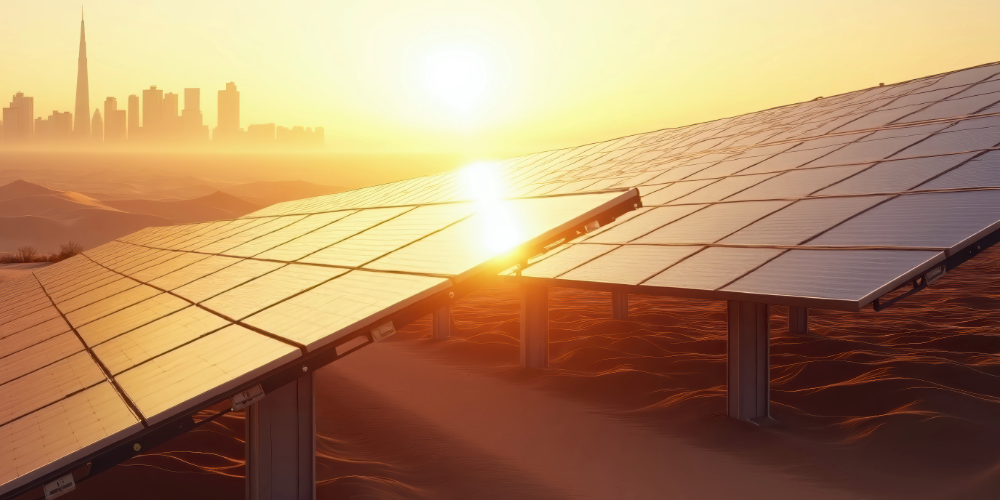
In a region where the pace of transformation is measured in megaprojects rather than milestones, the GCC is witnessing a defining shift in its waste and resource management landscape. Driven by ambitious landfill-diversion targets, decarbonisation strategies and the growing adoption of circular-economy principles, Waste-to-Energy has emerged not merely as a technological option, but as a strategic component of long-term infrastructure planning.
Egis is among the organisations contributing to this transition, providing technical leadership on one of the GCC’s major WtE PPP developments—an initiative focused on establishing an integrated treatment model that combines advanced sorting, material recovery and energy-from-waste conversion within a single, system-wide framework.
Leading this work is Mehmet Volga Suren, Waste Management Consultant at Egis, whose cross-regional experience spans Europe, Türkiye, Central Asia and the Middle East. With more than two decades of engineering, procurement and PPP expertise, he brings a rare combination of technical depth and practical field insight to the development of modern waste systems in the Gulf.
In this conversation, we look beyond technology alone. We explore the engineering realities shaping WtE in the GCC: how feedstock characteristics influence facility design, how climate conditions define operational envelopes, how policy and financial structures must evolve to support large-scale deployment, and how integrated waste systems are setting a new standard for future-ready infrastructure in the region.
Q: Volga, given the accelerating interest in waste-to-energy (WtE) in the GCC region, as highlighted in the conference programme (e.g. The policies, structures and regulations needed to drive investor confidence’) from your point of view at Egis and with your ongoing projects, how do you see the strategic role of WtE evolving in the Gulf — is it moving from “nice to have” to a core pillar of sustainable waste management?
A: Over the past decade, we’ve seen a very clear shift in the Gulf region. Waste-to-Energy has moved from being considered an ‘alternative technology’ to becoming a central component of national waste strategies. Countries like Qatar, Saudi Arabia and the UAE now have explicit landfill diversion targets embedded in national visions, and WtE plays a critical role in achieving them. What’s important is that the conversation has matured. We’re no longer talking about incineration as an end in itself, but about system optimisation: stabilising residual waste, generating baseload renewable energy, improving environmental performance, and reducing methane emissions from landfills, thinking how to reuse bottom ash etc. In that sense, WtE is evolving into one of the most strategic infrastructure assets in the region.
Q: Focusing on your qurent assignments could you walk us through the key lessons learned so far in procuring, designing and preparing a WtE facility in the Gulf climate and regulatory environment? What are the biggest “gotchas” you’ve encountered that differ from European or Asian markets?
A: For example Qatar has been an exceptional example of how WtE development must be both technically rigorous and context-specific. One of the earliest lessons is that the waste composition in the region demands a flexible and robust front-end. High moisture, a large fines fraction and variable calorific value mean that plant design must be adapted to local conditions from the beginning. Another lesson is the importance of early regulatory alignment. The region is adopting standards that are increasingly comparable to EU IED and BREF requirements, and ensuring this alignment during the design stage significantly reduces risks later. And finally, climate conditions matter. Extreme heat, dust and corrosion are not small operational challenges, they directly influence material selection, cooling systems and overall plant efficiency. These realities have shaped how we structure the Qatar project and how we guide clients across the region.
Q: The conference programme emphasises ‘developing partnerships and business models’ In your view, what business model innovations are proving most effective for WtE in the GCC (e.g., public-private partnerships, build-own-operate, waste-as-fuel contracting)? And how is Egis advising clients on crafting these models?
A: For WtE to succeed in the GCC, the business model must be bankable, predictable and transparent. In practice, this often means long-term PPP structures with very clearly defined responsibilities around feedstock guarantees, performance standards and revenue mechanisms. In Qatar, for example, we’ve worked carefully on the financial architecture, ensuring the tipping fee formula is stable, the energy offtake agreement is secure, and risks like calorific value fluctuations are properly allocated. When this is done well, WtE becomes a very attractive infrastructure investment, not unlike water treatment plants or power generation assets. The real value Egis brings is ensuring that the technical definition and the commercial structure complement each other, that is what ultimately builds investor confidence.
Q: One of the session themes is ‘optimising the value of waste as a resource, through sustainable, multi-treatment approaches’. How are you working with clients in the region to ensure that WtE does not become a stand-alone incineration plant, but rather part of a broader circular economy — for instance sorting, RDF/SRF development, recovery of metals, and integration with material recycling?
A: It’s essential to emphasise that WtE is not a stand-alone facility; it only works well when it is integrated into the wider circular economy framework. In our project we are designed an approach in which front-end sorting, material recovery, and industrial pre-treatment feed into the WtE facility. That means recyclables are extracted where possible, organics are stabilised, and only non-recyclable residual waste enters the plant. This is what maximises landfill diversion. We also look beyond energy recovery. Bottom ash, for example, is no longer viewed as a waste stream. With proper treatment and quality control, it can be reused in construction materials. So WtE becomes one part of a broader resource-valorisation ecosystem — and that is where its true potential lies.
Q: With the conference addressing ‘the plant of the future – technical developments for highest possible efficiency’ and ‘decarbonisation – the opportunities for CCS’. How do you evaluate the readiness of advanced technologies (e.g., carbon capture, hydrogen from waste, digital twin ops) for Gulf WtE facilities — and how is Egis embedding innovation in current projects?
A: The Gulf region is increasingly receptive to advanced technologies, but any innovation must be grounded in operational reality. Carbon capture, for example, is technically feasible for WtE, and the GCC already has industrial clusters where captured CO₂ can be utilised. The challenge is economic viability, which is why early planning and modular design make sense. We also rely heavily on digitalisation, digital twins, real-time optimisation, predictive maintenance, all of which significantly increase plant availability and efficiency. Another major consideration is water scarcity. Cooling systems must be optimised for high ambient temperatures and minimal water consumption. So when we speak about innovation, it's not innovation for its own sake; it’s innovation with very specific engineering purpose.
Q: The GCC region has unique environmental and stakeholder dynamics, high ambient temperatures, landfill legacy and evolving regulations. From your experience, what are the most significant regulatory or stakeholder risks you are helping your clients to anticipate, mitigate or turn into opportunities?
A: Environmental regulation in the region is evolving rapidly, and today the expectations around air emissions, noise, ash management and continuous monitoring are much closer to European standards than many people think. One of the most important aspects is early baseline assessment, if you establish the environmental conditions properly at the start, you can design a plant that is not only compliant, but resilient in the long term. Stakeholder management is equally important. WtE touches multiple ministries, local authorities, utilities and communities. For example, in Qatar, we invested a lot of time in aligning all parties on feedstock availability, site interfaces and performance expectations. This kind of structured engagement reduces delays later and builds trust in the system.
Q: Investors increasingly expect both environmental performance and commercial returns, the conference programme mentions ‘securing investor buy-in and aligning stakeholders’. Could you share how you are structuring the investment case for the Qatar WtE project (e.g., return expectations, risk mitigation, revenue streams) and what you believe will accelerate investor confidence in the region
A: Investors entering the GCC WtE space are looking for the same things they expect anywhere else in the world: feedstock security, predictable revenue structures and a clear risk-allocation framework. What we doing is to build strong financial models supported by realistic sensitivity analysis, especially around calorific value, waste volumes and operational performance. With these in place, and with long-term PPAs and tipping fee agreements, the project becomes much more attractive. The regional trend is positive: as the first generation of large WtE projects in the Gulf reaches financial close, investor appetite will only increase.
Q: Another session theme is ‘asset optimisation – ensuring best ROI, high performance, and developing internal knowledge and skills’. How is Egis preparing for the operational phase of the Qatar WtE plant in terms of performance metrics, digital monitoring, local workforce training and hand-over of know-how to the client or operator?
A: From my perspective, the success of a WtE plant is defined not at commissioning, but several years into operation. This is why we focus so heavily on readiness: training local teams, defining KPIs, setting up digital monitoring systems, and establishing a culture of preventive maintenance. Performance optimisation today is driven by data. Digital twins, AI-based combustion control, and predictive analytics allow us to run plants far more efficiently than a decade ago. But equally important is knowledge transfer. We want local operators to feel confident, skilled and empowered, that’s the only way to ensure long-term sustainability of the asset.
Q: Given the compelling regional context of climate risks (heat stress, water scarcity, waste volumes rising) and the wider sustainability agenda of Egis. How are you embedding climate resilience and adaptation into the Qatar WtE project (and regional WtE programme) beyond just emissions reduction, for example, water reuse, heat management, biodiversity protection, and circularity of residuals?
A: Designing WtE in the Gulf requires a very particular approach to resilience. Temperatures regularly exceed 45°C, dust storms affect filters and turbines, and water scarcity is a permanent constraint. So we design with heat-resistant materials, corrosion-proof coatings, optimised thermal cycles, and low-water cooling technologies. Beyond the plant itself, we consider stormwater management, protection of adjacent ecosystems, and even integration with landfill rehabilitation. In that sense, resilience is not just an add-on it’s embedded in every engineering decision.
Q: Finally, looking ahead: What is your view on for example the replicability of the Qatar WtE model across the Gulf region (Kuwait, Oman, Saudi Arabia), and how is Egis preparing to scale up its regional footprint in WtE and “waste-to-X” solutions? Also, what do you believe will be the key differentiator for success in the next 5-10 years?
A: The Qatar model absolutely has the potential to be replicated across the GCC, but it has to be adapted not copied. Waste composition, policy maturity and financial frameworks differ from country to country. What we can replicate are the principles: clear system planning, integrated treatment chains, bankable PPP structures, strong environmental baselines and future-proofed technology choices. I believe the next 5–10 years in the region will be defined by those who can combine circularity, digitalisation, low-carbon engineering and solid project governance. Egis is positioning itself exactly at that intersection bringing global know-how and local experience together
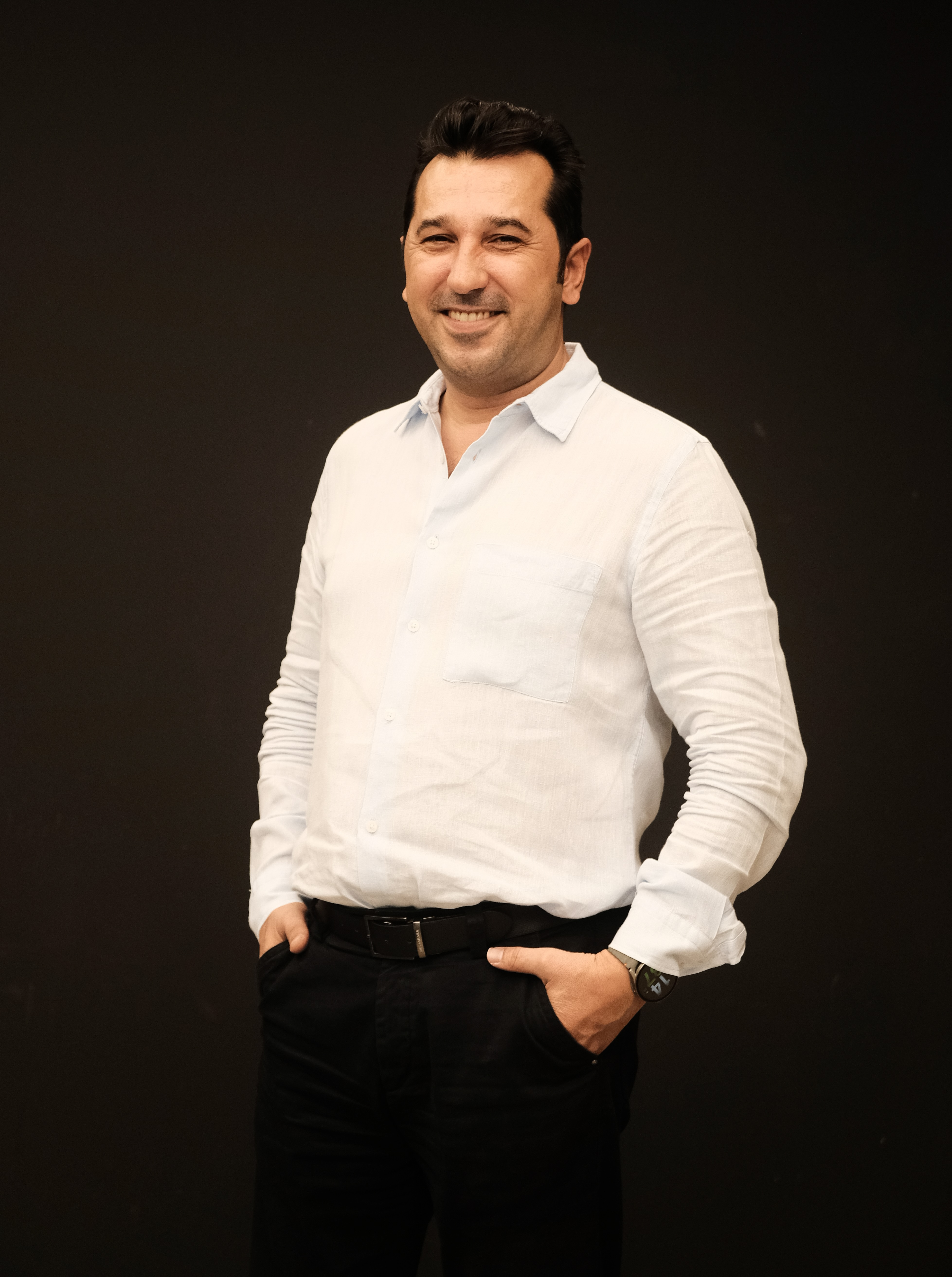
Mehmet Volga Suren



Please sign in or register for FREE
If you are a registered user on Energy from Waste Network, please sign in