Rewriting the rules of scale: how swips and advanced thermodynamics are redefining opex in the waste-to-energy sector
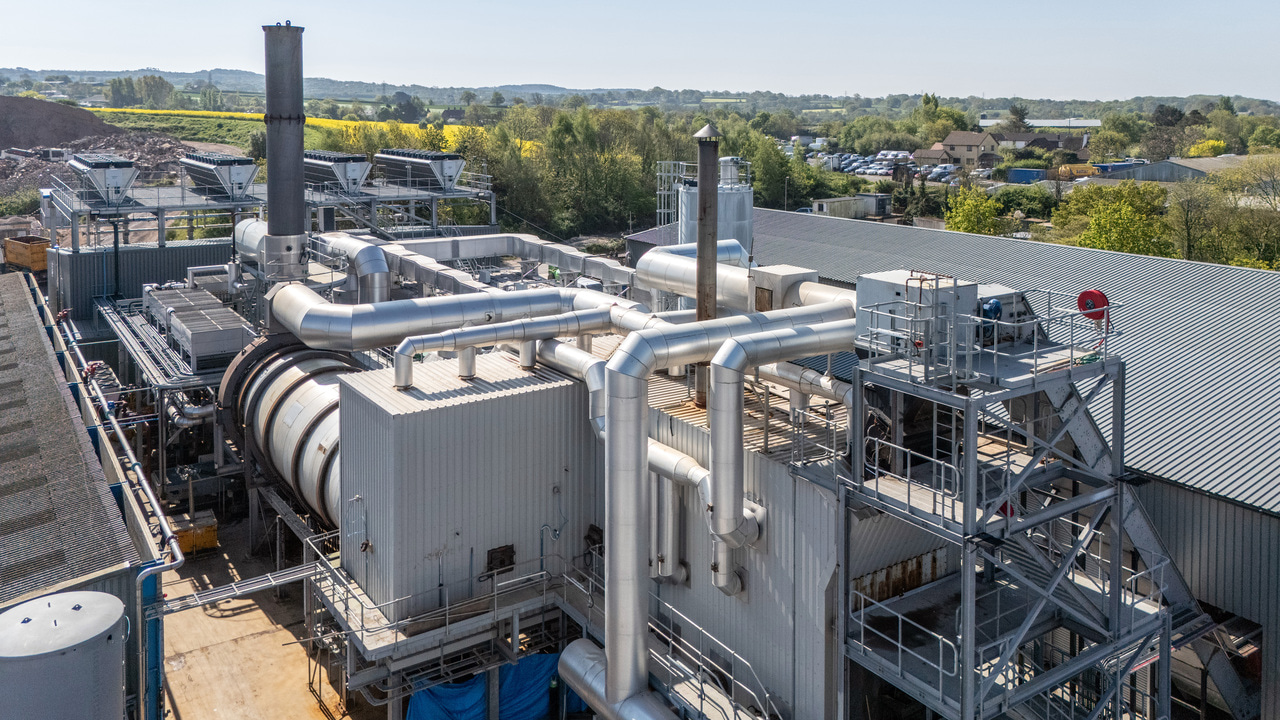
However, as the UK and international markets evolve, the decentralized model of Small Waste Incineration Plants (SWIPs, processing less than 3 tonnes per hour) is challenging this narrative.
The secret to their financial viability does not lie in matching the size of large-scale facilities, but in achieving unbeatable OPEX and highly optimized revenue streams.
When robust combustion hardware, real-time boiler cleaning, and advanced Organic Rankine Cycle (ORC) technology are combined, the operational advantages offset—and even surpass—the lack of scale. This is the technical foundation making this paradigm shift possible.
1. Fuel flexibility: the operational shield against heterogeneity
The major challenge of managing commercial and industrial waste or Solid Recovered Fuel (SRF/RDF) is its extreme variability. Traditional steam cycles suffer massive inefficiencies when calorific values drop or moisture spikes.
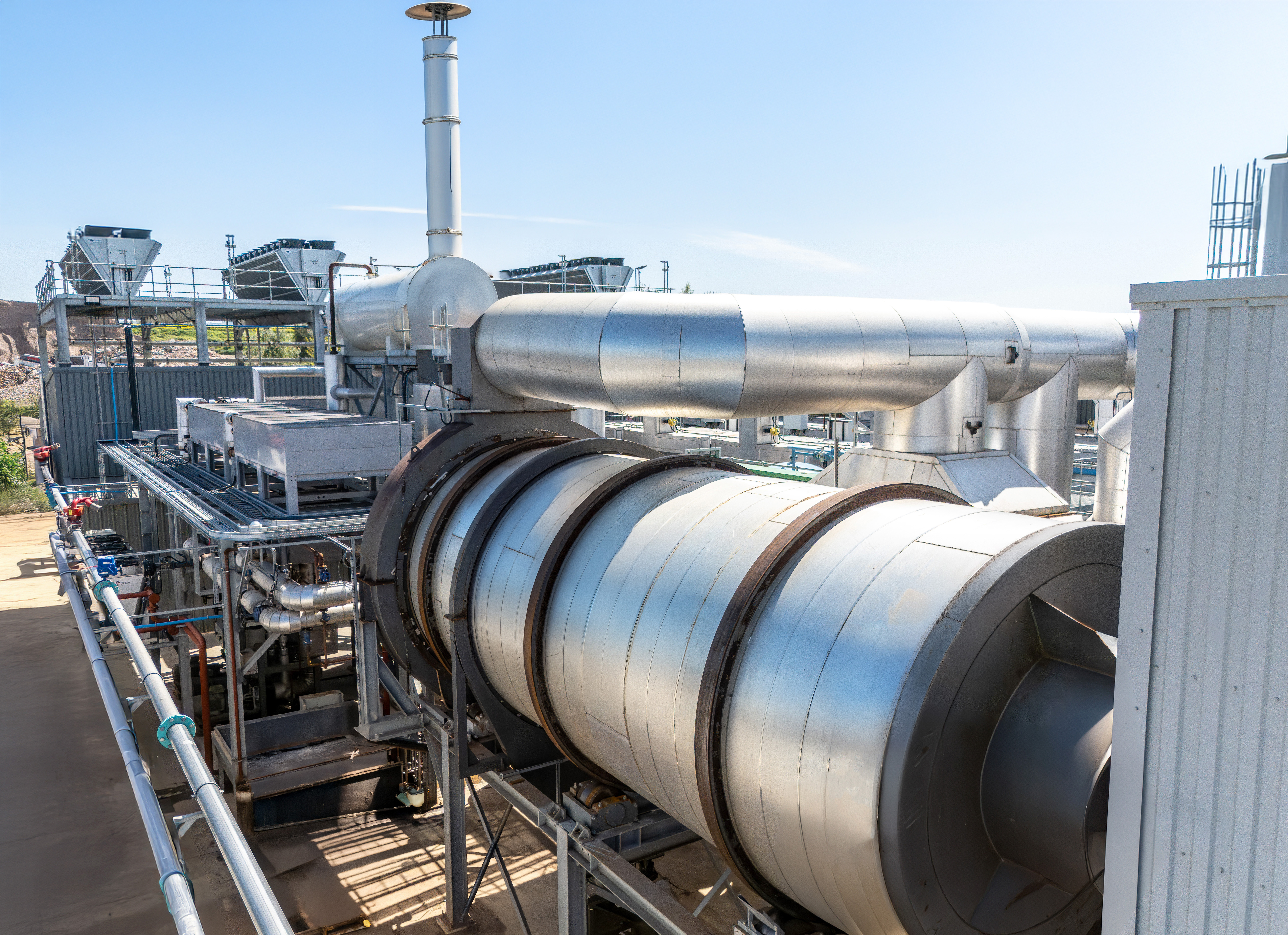
The technical solution involves combining adaptable combustion systems like those from Bianna with Turboden’s ORC technology. Unlike steam turbines, ORC systems offer an exceptionally stable response to partial loads. If the fuel supply fluctuates or moisture increases drastically, the facility does not require a shutdown; it seamlessly adjusts its energy output based on the available thermal load, absorbing variations without compromising the plant's overall performance.
2. Extreme resilience: operating with high ash levels
Processing complex biomass (Grade B/C wood, chicken litter, olive pomace) or low-quality SRF means dealing with ash percentages that often reach 25% or even 30%. In conventional boilers, this translates into high operational costs derived from constant shutdowns due to fouling and slagging.
To guarantee availability exceeding 8,000 hours per year, boiler design must be rethought. Implementing real-time self-cleaning technologies, such as the rotary system of the Horizon+ (H+) boiler developed by Bianna, allows ash to be evacuated from heat exchange surfaces without interrupting operations. By eliminating the need for traditional compressed air or steam soot-blowing systems, a massive parasitic load is removed, significantly reducing the plant's electrical self-consumption.
3. Thermal oil vs. Steam: eradicating high-temperature corrosion
To achieve high electrical efficiencies, traditional steam boilers must superheat the steam, exposing tube walls to extreme temperatures that trigger severe chloride corrosion. The industry's standard solution is applying expensive Inconel cladding to the tubes, which becomes a heavy burden for both CAPEX and maintenance OPEX.
Using thermal oil as a heat transfer fluid eradicates this problem at the source. Operating at fluid temperatures around 310°C keeps the tube wall temperature at a maximum of 350°C. This thermal stability keeps the metallurgy safely below the critical threshold for high-temperature corrosion, completely eliminating the need for expensive cladding and extending the equipment's lifespan.
4. Maximizing availability and minimizing maintenance
The viability of decentralized models depends on maintaining lean operational cost structures. This is achieved through mechanical simplification and automation:
- Lower mechanical wear: Turboden’s ORC turbines operate at significantly lower revolutions per minute compared to steam turbines, drastically reducing mechanical stress and long-term maintenance requirements.
- Zero water treatment: By using organic fluids, ORC systems operate in closed loops without water. This eliminates the need for complex, chemical-heavy water treatment plants, removing a major operational and personnel expense.
- Artificial Vision Combustion Control: Incorporating Bianna’s artificial vision systems allows for real-time localization of the flame front to optimize air injection and grate movement. It acts as an active safety system against flashbacks (if the flame travels too high) or premature burnout (if it drops too low), protecting the ash extraction system and ensuring stable combustion.
5. Revenue optimization: the hidden financial edge of swips
Beyond operational savings, the financial bankability of SWIPs is heavily reinforced by their unique position within the UK electricity grid. While large-scale incinerators are burdened with heavy grid taxes and regulatory tolls, decentralized plants generating under 5 MWe can operate under the Licence Exempt Supply (LES) framework. This exemption allows them to bypass significant grid levies, effectively adding a premium of around £20 per MWh to the net margin of a standard Power Purchase Agreement (PPA).
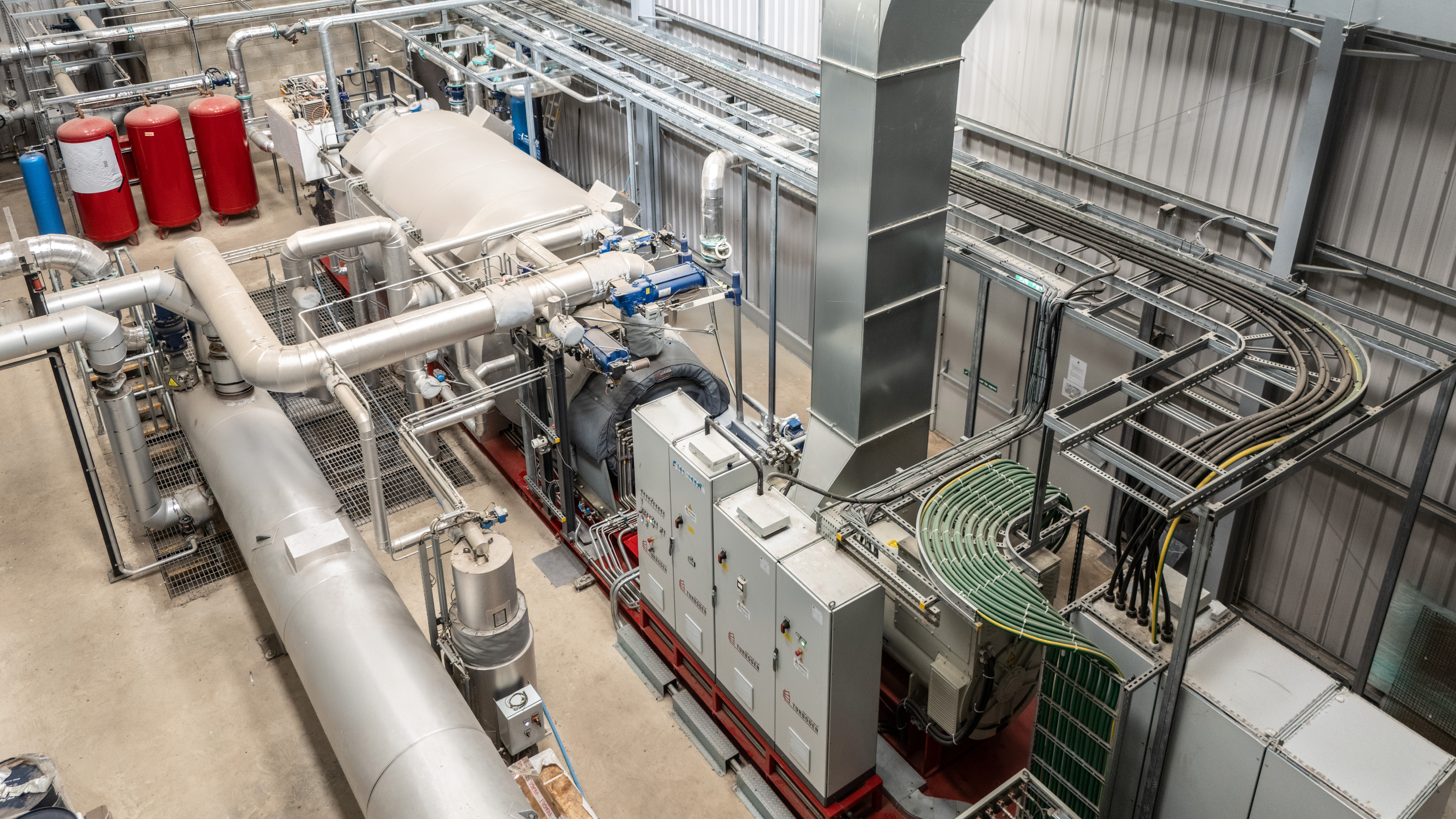
Furthermore, because the combination of Bianna’s combustion systems and Turboden’s ORC turbines provides stable, predictable baseload power—unlike intermittent wind or solar energy—these facilities are highly valued by the grid and eligible for the UK’s Capacity Market. This mechanism grants a fixed, guaranteed annual payment from the government simply for ensuring availability during peak demand periods. This combination of optimized, tax-exempt energy sales and fixed capacity revenues creates a highly secure investment profile that traditional large-scale plants struggle to match.
The strategic horizon: regulation and risk
In the UK, the SWIP framework already allows for faster project delivery by leaving planning and environmental permits in the hands of local authorities. However, the real determining factor in the medium term for the European sector is the impact of the Emissions Trading Scheme (ETS).
As the industry braces for the imminent integration of energy recovery into emission payment schemes, a critical question arises: assuming large-scale centralized plants will see their OPEX heavily taxed by carbon allowances, will modular and decentralized facilities (exempted from certain ETS obligations due to their size) consolidate as the most resilient and bankable investment model for the next decade?
This is a debate the sector must address with operational data on the table.
TURBODEN
Turboden, a group company of Mitsubishi Heavy Industries, is an Italian firm and a global leader in the design, manufacture, and maintenance of Organic Rankine Cycle (ORC) systems. ORC plants can generate electric power and heat with high efficiency and user-friendly operation by using different kind of waste, from municipal solid to animal waste, from sewage sludge to industrial and hazardous waste.
Turboden ORC systems can give a strong contribution in generating profit from waste, valorizing heat and power, reducing the volume of waste and its cost of disposal, enhancing waste logistics (with lower road transport), reducing CO2 emissions while improving company sustainability.
Designed according to specific client requirements, the ORC-based Waste to Energy plant is able to produce electric power only with an electrical efficiency up to 30% or Combined Heat & Power (CHP). Depending on specific characteristics of the waste, various waste combustion technologies and heat recovery exchangers may be employed.
With more than 450 power plants in 50+ countries Turboden offers ORC turbogenerators up to 40MWe per single shaft.
BIANNA
Bianna is a multinational reference in engineering, design and manufacture of innovative and highly profitable equipment and solutions for waste management and treatment.
Plants, equipment and services to transform a liability into an asset. Obtaining new ‘raw materials’ demanded by the market and industry from waste. And we do so with the most innovative and reliable processes and machines tested over three decades.
We know that profitability in the operation of a plant is the best guarantee of efficiency, success and durability.
Goal: maximize of circular waste management, extracting its full potential, transforming this waste cycle in a sustainable and highly profitable economy for our customers.


Please sign in or register for FREE
If you are a registered user on Energy from Waste Network, please sign in