
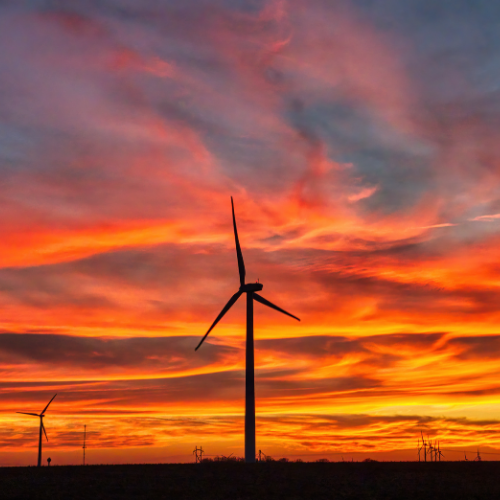

The narrative surrounding the UK’s transition to clean and renewable energy is dominated by two primary technologies: wind turbines and solar panels and it is easy to see why as vast offshore wind farms in the North Sea and sweeping solar meadows across the countryside are highly visible symbols of a cleaner, greener future.
Yet, as the grid becomes increasingly dependent on these resources, an uncomfortable engineering reality is rising to the surface: the weather is fundamentally unpredictable.
Wind and solar power suffer from inherent intermittency; that is to say that when the wind drops across Europe or a heavy bank of cloud covers the UK, power generation plummets and, while battery storage technology is improving, it is currently incapable of backing up the national grid for days or weeks of low generation.
To prevent blackouts and secure true energy independence, the grid requires “baseload” support; continuous, unyielding power that runs regardless of meteorological conditions.
While policy conversations frequently point to legacy fossil fuels or slow-yielding nuclear projects to fill this gap, the immediate, proven answer lies in utility-scale bioenergy: specifically, Anaerobic Digestion (AD) and Energy from Waste (EfW).
The Reality of Baseload Support
To understand why bioenergy is critical to national infrastructure, you have to look at the operational profiles of different renewable assets. Wind and solar are intermittent opportunists; they harvest energy when nature allows where bioenergy, by contrast, is a continuous industrial process.
“The wind doesn’t always blow and the sun doesn’t always shine,” explains Paul Winter, Director & Founder of PWCL. “Whereas with Anaerobic Digestion or Energy from Waste facilities, you don’t turn them off. They are running twenty-four hours a day, seven days a week, providing true baseload support to the grid.”
A modern AD facility operates much like a traditional thermal power station, but without the fossil footprint. Because the biological breakdown of organic material happens continuously inside insulated, controlled digesters, the production of biomethane is entirely predictable. This gas can be stored on-site and injected into the grid or converted into electricity exactly when demand peaks.
This 24/7 reliability changes the commercial calculation for grid operators. Bioenergy assets provide the stable frequency regulation and consistent power baseline that keeps the lights on when intermittent renewables falter.
Harnessing Local Resources for National Security
The arguments for expanding the UK’s bioenergy footprint extend far beyond grid stability. Building a resilient energy infrastructure is also a matter of supply chain security. As North Sea gas reserves decline, the UK is increasingly exposed to the volatile global market for imported Liquefied Natural Gas (LNG).
Plugging this “gas gap” requires utilising resources that the UK controls entirely within its own borders.
“We generate over six million tonnes of food waste inside the UK every single year,” Paul emphasises. “Rather than letting that material end up in landfill where it produces unmitigated greenhouse gases, or paying to export waste, we have a massive, localised fuel source sitting right on our doorstep.”
By redirecting millions of tonnes of municipal food waste, agricultural residues, and industrial organic material into advanced AD and EfW facilities, the UK kills two birds with one stone. It solves a massive waste management challenge while simultaneously converting that waste into highly reliable, domestic energy. It transforms a localised burden into a strategic national asset.
Balancing the Renewable Portfolio
True energy security does not come from choosing one renewable technology over another; it comes from strategic diversification. Wind and solar are exceptional at driving mass volume and lowering the cost of generation when conditions are ideal. But they cannot stand alone.
Advanced project management and grid infrastructure planning require building a balanced renewable portfolio where intermittent generation is backed by rock-solid bioenergy assets. By treating Anaerobic Digestion and Energy from Waste not as niche recycling concepts, but as the foundational baseload backbone of the modern grid, the UK can confidently transition away from fossil fuels without ever compromising on reliability.