AI does not fix weak foundations; it accelerates them

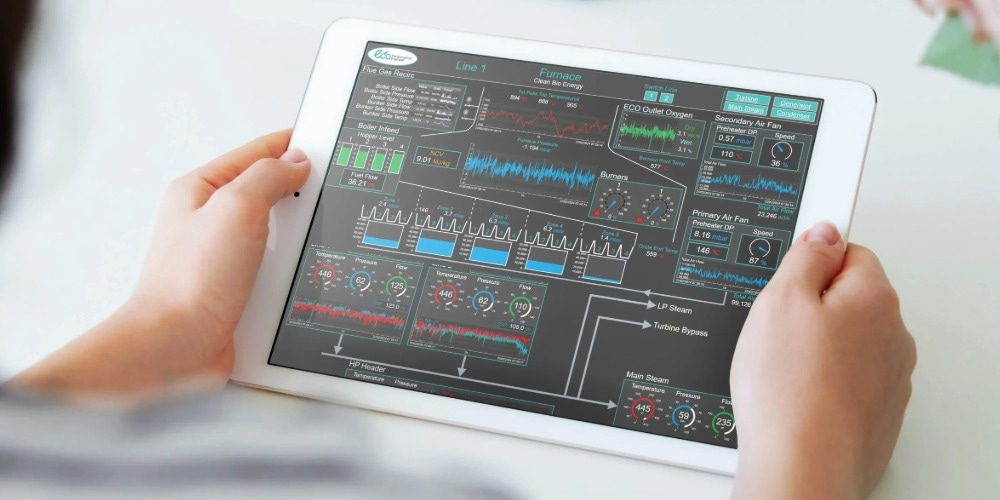
Predictive maintenance and optimisation sound like the obvious next step, and it’s easy to see why. Plants have invested heavily in instrumentation, reporting is stronger than it used to be and most sites can produce a convincing performance picture at the click of a button.
That is exactly why the AI conversation needs a slightly more careful, more operational framing. AI does not arrive as a tidy upgrade that corrects the messy bits underneath. It tends to magnify whatever is already true about a plant’s data and decision-making, including the weak spots. If signals are inconsistent, if context is missing or if teams do not share the same view of what “normal” looks like, automation can turn uncertainty into output that feels authoritative, even when the foundations are still shaky.
Energy from Waste operations rarely get into trouble in one dramatic moment. Rather, performance often shifts gradually, through small variations that sit within tolerances, are easy to explain away and can be missed when everyone is busy. A plant can look stable in the headline numbers, a report can be technically correct, and the real story can still be developing quietly in the background. This is where false confidence creeps in, not through carelessness, but through familiarity. People see what they expect to see, especially when the plant is running and nothing is obviously broken.
This is where AI can help, and where it can also cause trouble. It will still find patterns, it will still produce predictions and it will often do so with impressive confidence, yet the confidence belongs to the maths rather than to the operational truth. That’s how weak foundations get amplified. A shaky signal becomes a persuasive insight, and a persuasive insight can drive action, debate, or worse, complacency, depending on who is reading it and how much they trust what sits underneath.
Teams often discover this frustratingly late in the day. More alerts arrive, more recommendations appear, more “smarts” are layered on top and decision-making does not get easier. Discussions move from “What is happening?” to “Which system is right?” or “Do we trust this?” The effort and sophistication have been given a boost, but the outcome still feels stubbornly familiar.
A better way to think about AI in Energy from Waste is as a multiplier, not a repair tool. It multiplies clarity when clarity already exists and it multiplies confusion when confusion is still present. The organisations that get genuine value from advanced analytics tend to do something unfashionable first. They make sure the basics hold up: data is captured consistently, context is understood and teams share a common performance picture. This isn’t glamorous work, yet it is the work that transforms visibility into genuine operational certainty.
Certainty does not mean certainty of the future in a perfect sense. It means less reliance on one individual’s memory or instinct, and more reliance on shared insight that holds up across shifts, teams and time.
AI becomes far more useful in that environment. It can shorten the time between variation and action, reinforce early signals that are already trusted and help busy teams prioritise attention before drift becomes disruption. Most importantly, it supports the people who run the plant rather than trying to replace judgement that still has not been made explicit.
Energy from Waste and Biomass plants are already sitting on the raw material for better performance. The win is not chasing ever more data or ever more sophistication, it is making sure the signals you already have are consistent, understood and shared early enough to change decisions. Get those foundations right and AI stops being a risky shortcut, it becomes a genuine force multiplier for good operational discipline, helping teams move earlier, act with more alignment and make performance more predictable over time.




Please sign in or register for FREE
If you are a registered user on Energy from Waste Network, please sign in