Is The UK’s £28bn Grid Investment An Essential Modernisation or Another Cost Burden?
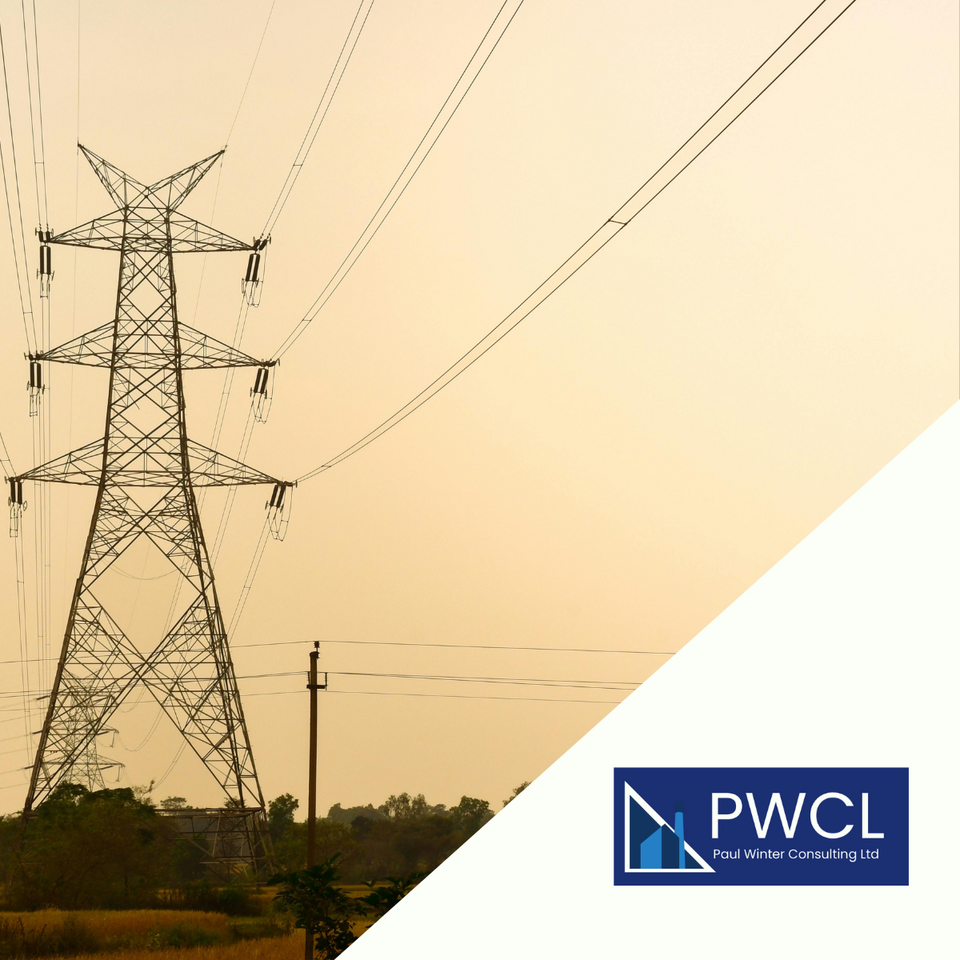

Energy network companies operating across the UK will embark on a major £28 billion upgrade of the national grid, where Ofgem has approved more than £17.8 billion of spending plans allocated to upgrade gas transmission and distribution networks between April 2026 and 2031.
This major and much-needed upgrade to the national grid - announced just last week - is widely considered to be an essential investment in the UK's long term energy security; ensuring a ‘safe and reliable energy system for years to come’ (www.ofgem.gov.uk).
The announcement, seeing the majority of spending go towards necessary maintenance and the remaining sum towards improving and expanding the network, has been largely welcomed, especially by the UK’s renewable and clean energy sectors where professionals have been crying out for grid upgrades for many years. For the UK’s households, however, these essential works come at a significant cost.
Increasing UK Energy Bills
To cover the costs involved in maintaining and upgrading the national grid, UK household energy prices will rise by around £108 by 2031; £48 for gas and £60 for electricity.
Indeed, an unwelcome increase to already sky-high household bills, Ofgem has reassured UK residents that this hike in price is part of a long term cost saving strategy, seeing energy prices eventually decrease by around £80, £50 of which is expected to come from electricity grid expansion alone.
But is it really all worth it?
Upgrades Essential To Clean Energy Future
As the UK continues to move towards Net Zero; investing in renewable and clean energy projects, and pushing the low carbon agenda, significant and unrelenting pressure has been placed on an already crumbling national grid that simply cannot cope with the influx of projects it needs to support, and in recent years, this has led to new renewable energy projects being given a connection date 15 years in the future.
This, of course, is unsustainable and has previously led to innovative renewable energy projects being put on hold or eventually abandoned, and developers & investors alike being hesitant and reluctant to move projects forward.
For the renewable and clean energy sectors here in the UK to thrive and clean energy to become the primary source of energy flowing through the national grid, maintenance and upgrades are absolutely essential.
Will The UK Public Accept The Cost?
However, rising the price of household energy bills, especially only weeks after the 2025 Autumn Budget which will see taxes rise for many and the cost of living generally increase, with very little public mention of future plans for renewable and clean energy, has been understandably met with negativity and push back; the average UK household is already struggling to pay their monthly bills, can they really afford another £108 on top of what they’re already paying?
It's difficult to say at this point. However, we do know the impact public opinion typically has on policy making and public spending, and we should expect to see many more negative headlines in the coming months, especially around the forthcoming Spring Budget 2026.
Short Term Pain For Long Term Gain
The coming grid upgrade represents one of the most significant infrastructure investments in a generation; essential for creating the capacity, resilience and flexibility required for a low-carbon energy system.
Yet its timing, cost and public visibility create challenges that cannot be overlooked.
Whilst the long-term trajectory points toward lower system costs and a more stable, decarbonised network, the short-term reality for households is another increase in bills against an already difficult economic backdrop.
For the renewable and clean energy sectors, this investment is both overdue and foundational. For consumers, it is a hard but necessary cost. And for policymakers, the next 12–18 months will demand careful communication, credible delivery, and a clearer demonstration that the path to Net Zero can be both affordable and actionable.
With further announcements expected ahead of the Spring Budget 2026, and increasing public scrutiny, the true test will be whether this upgrade programme can deliver tangible, visible value quickly enough to maintain confidence across industry, investors and the public.

Paul is the founding Director of Paul Winter Consulting which he formed in 2015. He is particularly focused on helping Clients understand the Construction Process and help them maximize their returns on investment. He has worked at senior level in Major International Companies and his experience ranges from the construction of Complex infrastructure projects from Power to airports and Roads For the last 15 years Paul has provided support to a number of clients including: - EPC Contractors - European Companies looking to enter the UK Market - Client side Project Management - Commercial and Project Management Training - Advising on Project funding He is focused on developing strategies for investment in Energy from Waste Projects and delivering the financial outcomes through effective project management.





Please sign in or register for FREE
If you are a registered user on Energy from Waste Network, please sign in