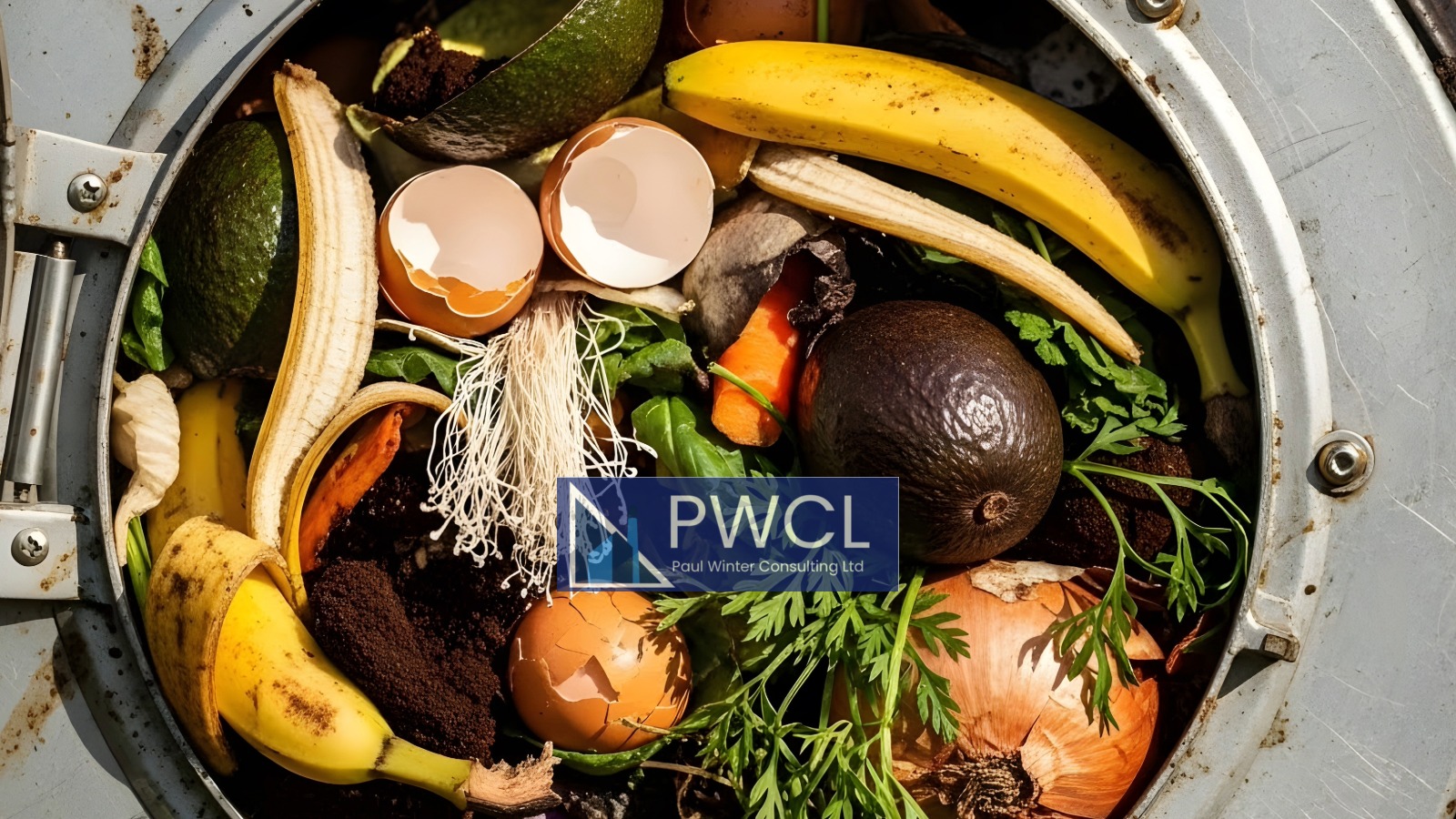

With mandatory kerbside food waste collections due to be in place across the UK by 2026, the waste sector is preparing for one of its most significant operational shifts in recent years.
With mandatory kerbside food waste collections due to be in place across the UK by 2026, the waste sector is preparing for one of its most significant operational shifts in recent years. While the public may see this as a simple expansion of recycling services, the industry is facing a more complex challenge behind the scenes – particularly around the handling of Animal By-Product (ABP) material.
Although the ABP Regulations themselves have not changed, the volume of ABP-containing food waste entering the system is about to increase dramatically. This shift will place new expectations on waste-transfer infrastructure, planning processes, and operational compliance, with implications for Energy-from-Waste (EfW) and Anaerobic Digestion (AD) operators nationwide.
Understanding the ABP Landscape
Animal By-Products are classified into three risk-based categories:
- Category 1: highest-risk material requiring stringent destruction.
- Category 2: medium risk, often unsuitable for feed or processing.
- Category 3: lowest-risk material, including most household and commercial food waste.
Even small quantities of Category 3 content trigger ABP handling requirements. Under existing rules, any facility receiving, transferring, or processing ABP-containing food waste must meet defined standards for containment, segregation, drainage, cleaning, and biosecurity.
The challenge is that most Waste Transfer Stations (WTSs) were not designed with these requirements in mind. Many operate as open or semi-enclosed sites; configurations incompatible with ABP expectations for hygiene and controlled environments.
As mandatory food waste collections expand, more operators will find themselves indirectly receiving ABP material, and therefore falling within the scope of compliance and authorisation frameworks managed by the APHA, Environment Agency, and local planning authorities.
Infrastructure Implications for the Sector
Handling ABP-containing food waste safely requires a level of infrastructure control that many existing sites simply do not have. Typical features of an ABP-ready facility include:
- Enclosed reception and offloading areas that prevent wind scatter, odour release, and pest access.
- Sealed drainage and effluent systems designed to contain runoff and enable controlled cleaning.
- Segregated zones to clearly separate ABP and non-ABP material.
- Designated cleaning and disinfection areas, including vehicle wash facilities.
- Operational systems to support hygiene, containment, and traceability.
Any facility making these upgrades will need to navigate APHA approval, EA permit variations, and potentially new or revised planning applications; processes that require significant lead time.
With the 2026 rollout approaching, operators face a compressed window for design, approvals, and construction.
Pressure on Timelines and Supply Chains
The timeline is not the only source of pressure. The sector is already feeling the impact of overlapping demands:
- Increased infrastructure work linked to food waste collection reforms
- Planning and permitting delays across the waste and infrastructure sectors
High demand for specialist contractors and engineering teams
Rising construction and materials costs - Competing pressure from rapid AD and biomethane development ahead of the GGSS closure in 2028
As seen in other parts of the waste and renewables market, accelerated delivery periods risk creating bottlenecks. The combination of regulatory requirements, design complexity, and limited specialist capacity could result in delays, cost escalation, or challenges achieving compliance within the required timeframe.
However, there is also a clear strategic opportunity. Operators who begin feasibility work, engage early with regulators, and plan now for infrastructure readiness will be better placed to maintain service continuity and adapt smoothly to the growing ABP-controlled waste stream.
Expert Insight: A Collaboration-Driven Response
Successfully adapting to ABP requirements demands close coordination across planning, engineering, and permitting disciplines. Recognising this, organisations such as Paul Winter Consulting Ltd (PWCL) and Chapman Beck have been focusing on helping the sector understand and prepare for the infrastructure and compliance implications of increasing ABP-controlled waste movements.
Chapman Beck, led by Jo Chapman, is widely known for expertise in APHA regulation, environmental permitting, and waste-sector compliance, particularly within bioresources and AD. Combined with project-management and infrastructure-delivery expertise, collaborations like these aim to support operators through feasibility, assessment, planning, and facility enhancement as ABP volumes increase across the system.
As Jo Chapman notes:
“We’re entering a new era of waste regulation, one where compliance and infrastructure design are increasingly interconnected. The rise in ABP-relevant material will change how many operators plan and manage facilities, and early action will help maintain resilience.”
Looking Ahead
Mandatory food waste collection is set to reshape waste-handling across the UK – not through changes to ABP legislation, but through the increased volume of ABP-containing material entering the system. For EfW and AD operators, this means greater scrutiny of infrastructure capability, operational controls, and compliance pathways.
In the wider context, this shift aligns with the UK’s emphasis on improved biosecurity, environmental assurance, and circularity in organic waste management. But achieving these goals will require investment, planning, and early engagement with regulatory and technical requirements.
For the sector as a whole, the message is clear: preparing now for ABP-compliant handling will safeguard continuity later, and ensure facilities are ready to meet the expectations of a more tightly controlled, biosecure waste landscape.